Before the event · Your photography brief
What Should You Prepare Before Hiring an Event Photographer?
To request an event photography quotation, start with five basics: your event date, start and end times, location, event type and estimated number of guests. Once the booking is confirmed, the next step is to prepare your timetable and tell the photographer what matters most.
You do not need a complete production brief just to make an enquiry. At HeroShot, we work through the preparation in two stages: the details needed for a quotation, followed by the information needed to plan the shoot.
01Prepare the basics for a quotation
Before contacting an event photographer, have these details ready:
- Event date: when the event will take place.
- Event time: the expected start and end times.
- Location: the venue and where it is located.
- Event type: for example, an annual dinner, conference, awards ceremony or product launch.
- Estimated attendance: approximately how many guests, or pax, you expect.
These details are usually enough to start preparing a quotation. We can then discuss whether one or two photographers would suit the event and whether you also want video coverage or a videographer.
If you are unsure about crew size, our guide to how many photographers your corporate event needs explains the main considerations.
02Share your event timetable before the day
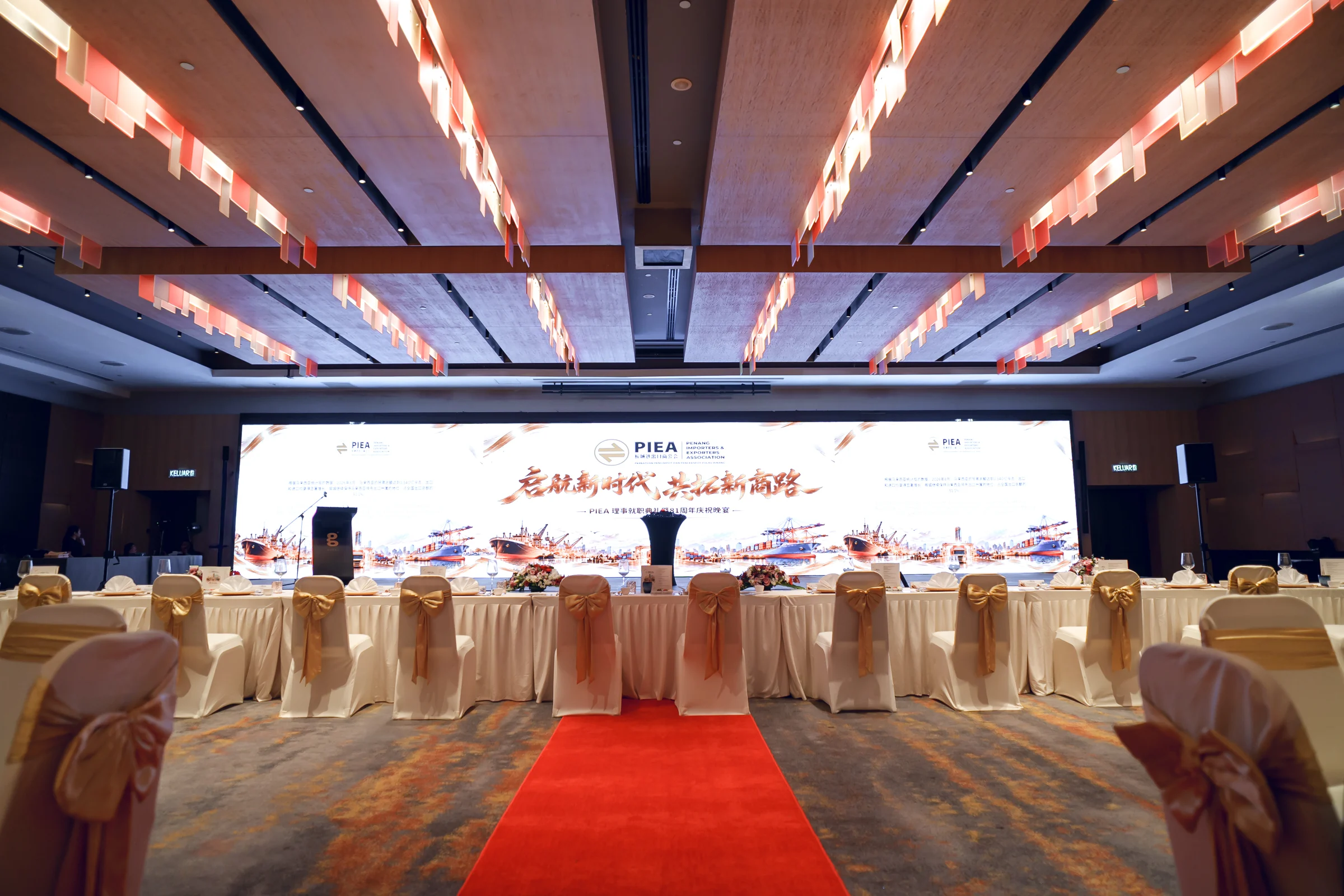
After confirming the booking and paying the deposit, prepare the event flow. During the week leading up to your event, share a timetable showing what happens at each time.
A straightforward running order is enough to start: when guests arrive, when speeches begin, when the main activities take place and when the event ends. Include the location of each activity if the programme uses more than one space.
The timetable helps the photographer get ready for what comes next. A short ceremony can move quickly, so knowing the sequence beforehand makes it easier to prepare a position before the moment happens.

03Tell us your top three must-have shots
Your photographer’s standard shot list and the pictures you have in mind may be different. Going through a Shot List together helps make those expectations clear.
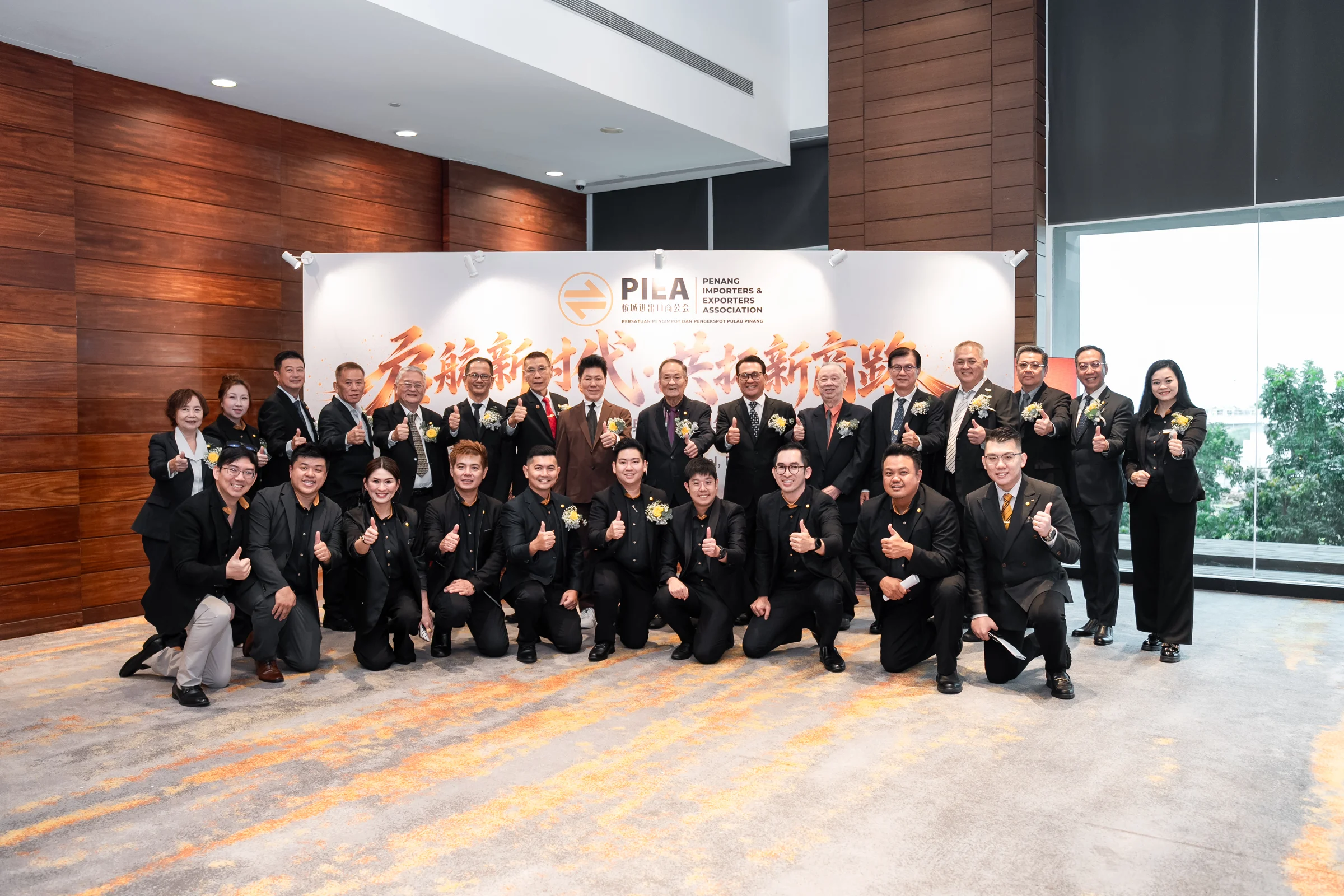
Start by telling us the three things you most want photographed. They might be a particular group photo, a key guest interaction or a specific moment in the programme. Be clear about who is involved and when it will happen.
You do not need to direct every photograph. Once your priorities are clear, you can leave the wider event coverage to the photographer. Other specific requests can still be added to the list; your top three simply help us understand what matters most.
04Explain what must not be photographed
A useful brief also includes anything the crew must avoid. For example, an artist’s appearance or performance may have photography restrictions, or a guest’s attendance may need to remain private.
Tell the photographer exactly what the restriction covers. Does it mean no photography at all, no recording during a particular segment, or no public use of the images? These are different instructions, so make the permitted scope clear before the event.
Share any special requirements early enough for the photographer or videographer to plan around them. Do not assume the crew will know which people or parts of the programme are restricted.
05Nominate someone the crew can contact on site
When the photographer arrives, who should they speak to? Share that person’s name and contact number before the event.
If you are making the booking but will not be in charge on the day, arrange another person who can liaise with the crew. They should be reachable when the photographer needs help finding the right area, checking a programme change or identifying someone on the shot list.
This avoids a situation where the crew arrives but cannot reach the person who made the booking.

06Confirm the arrival time
Once the programme and brief are ready, ask what time the photographer plans to arrive. In our usual arrangements, this is around one hour before the event begins, subject to the agreed schedule and venue access.
For example, a 10:00 am event would generally mean arriving around 9:00 am; for a 6:00 pm event, around 5:00 pm. Confirm the actual arrival time for your booking rather than assuming it.
Make sure the on-site contact knows when to expect the crew and that access will be available.
07A simple checklist for a better-prepared shoot
For the quotation: date, time, location, event type and estimated guest count. Let us know if you are considering video coverage too.
Before the event: share the timetable, your top three must-have shots, any photography restrictions and your on-site contact. Then confirm the crew’s arrival time.
These details help your photographer or videographer prepare for the job and focus on the moments you care about.
Every Moment. A Hero Shot.